Introduction
As developers, we often focus on writing code but neglect writing about code. Good technical writing is a superpower that can accelerate your career, help your team, and contribute to the broader developer community.
Why Technical Writing Matters
Technical writing skills benefit you in multiple ways:
- Career Growth: Clear communication sets senior developers apart
- Knowledge Sharing: Help others learn from your experiences
- Personal Branding: Establish yourself as a thought leader
- Better Documentation: Improve your team's productivity
Know Your Audience
Before writing, identify your target audience:
Beginners
- Explain concepts from first principles
- Provide context and background
- Use simple language and avoid jargon
- Include step-by-step instructions
Experienced Developers
- Focus on advanced techniques and edge cases
- Compare different approaches
- Discuss trade-offs and performance implications
- Reference relevant standards and best practices
Structure Your Content
Good technical content follows a clear structure:
The STAR Method
- Situation: What problem are you solving?
- Task: What needs to be accomplished?
- Action: How did you solve it?
- Result: What was the outcome?
Tutorial Structure
1. Introduction (What you'll learn)
2. Prerequisites (What you need to know)
3. Step-by-step implementation
4. Explanation of key concepts
5. Common pitfalls and solutions
6. Next steps and further reading
Writing Effective Code Examples
Code examples are the heart of technical writing:
✅ Good Code Examples
// ✅ Complete, runnable example with context
public class UserService {
    private final UserRepository userRepository;

    public UserService(UserRepository userRepository) {
        this.userRepository = userRepository;
    }

    /**
     * Creates a new user with validation
     * @param userData The user information to create
     * @return Created user with generated ID
     * @throws ValidationException if user data is invalid
     */
    public User createUser(CreateUserRequest userData) {
        validateUserData(userData);

        User user = User.builder()
            .email(userData.getEmail())
            .name(userData.getName())
            .createdAt(Instant.now())
            .build();

        return userRepository.save(user);
    }
}
❌ Poor Code Examples
// ❌ Incomplete, unclear context
public User createUser(CreateUserRequest userData) {
    // ... some validation
    return userRepository.save(user);
}
Documentation Best Practices
README Files
# Project Name

Brief description of what the project does.

## Installation

```bash
npm install your-package
```

## Quick Start

```javascript
const yourPackage = require('your-package');
// Basic usage example
```

## API Reference

### `methodName(param1, param2)`

Description of what the method does.

**Parameters:**
- `param1` (string): Description
- `param2` (number): Description

**Returns:** Description of return value

**Example:**
```javascript
const result = methodName('hello', 42);
```

## Contributing

Guidelines for contributors.

## License

License information.
API Documentation
- Include all parameters and their types
- Provide example requests and responses
- Document error conditions and status codes
- Keep examples up-to-date with the actual API
Blog Writing Tips
Compelling Headlines
- "How I Solved [Specific Problem]"
- "5 [Technology] Mistakes I Made So You Don't Have To"
- "Building [Project] with [Technology]: A Complete Guide"
- "Why [Popular Opinion] is Wrong About [Technology]"
Engaging Introductions
// ❌ Boring introduction
"In this article, I will explain how to use React hooks."

// ✅ Engaging introduction
"I spent three days debugging a React component that randomly
crashed in production. The culprit? A misunderstood useEffect
hook. Here's what I learned about React hooks that I wish
someone had told me earlier."
Tools and Workflow
Writing Tools
- Markdown editors: Typora, Mark Text, or VS Code
- Grammar checkers: Grammarly, LanguageTool
- Screenshot tools: CloudApp, Snagit
- Diagram tools: Excalidraw, Lucidchart
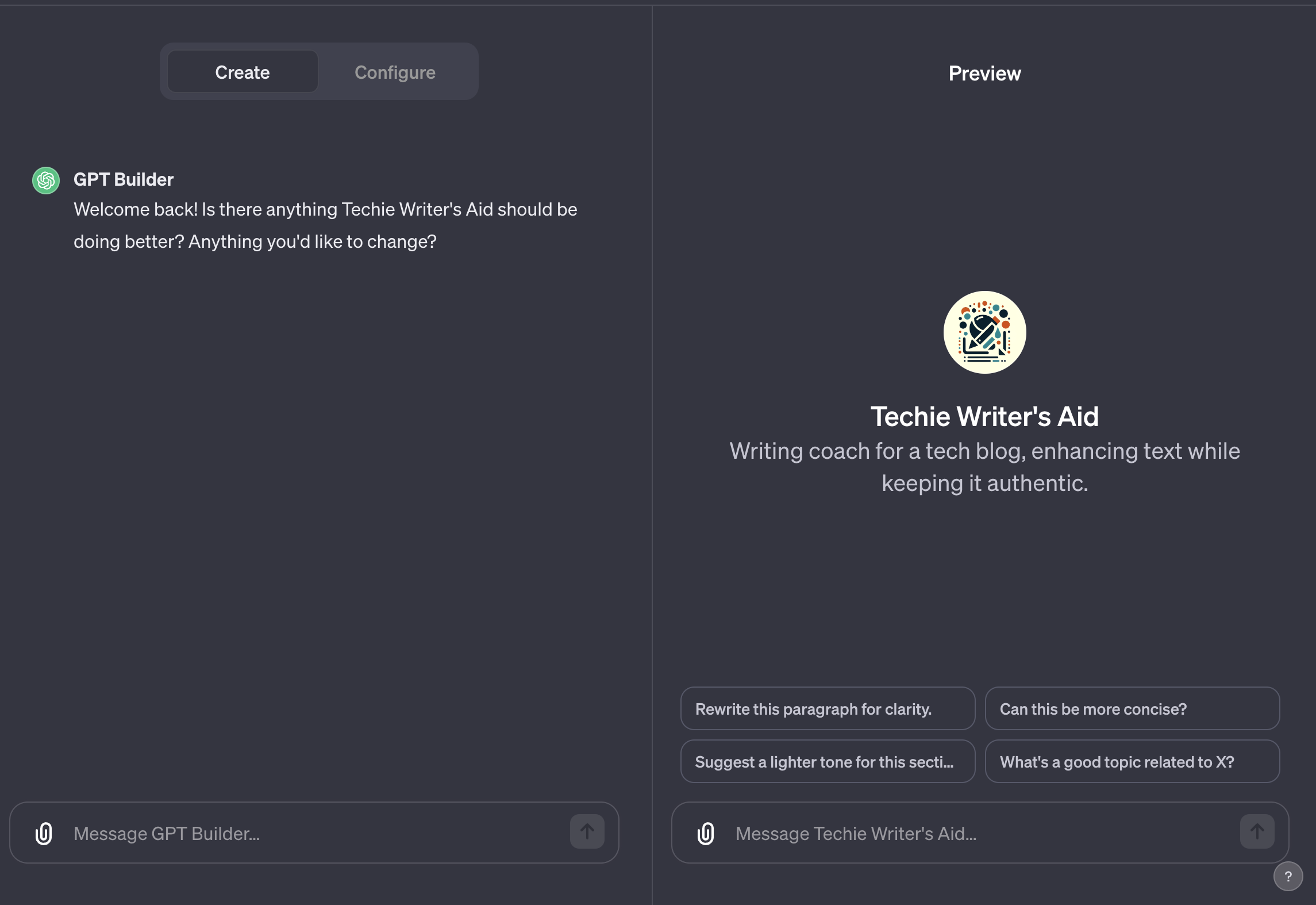
Modern AI tools can help improve your technical writing workflow
Publishing Platforms
- Personal blog: Full control, SEO benefits
- Dev.to: Great developer community
- Medium: Built-in audience, paywall limitations
- Company blog: Professional credibility
Common Mistakes to Avoid
- Assuming too much knowledge: Always define terms and provide context
- Outdated examples: Keep code examples current with latest versions
- No proofreading: Always review for typos and clarity
- Wall of text: Use headings, lists, and code blocks for readability
- Missing the "why": Explain not just how, but why something works
Measuring Success
Track these metrics to improve your writing:
- Engagement: Comments, shares, time on page
- Feedback: Direct messages, email responses
- Traffic: Page views, organic search traffic
- Professional impact: Job opportunities, speaking invitations
Conclusion
Technical writing is a skill that improves with practice. Start small, focus on helping others solve real problems, and don't worry about being perfect. The developer community benefits when we share our knowledge and experiences.
Remember: every expert was once a beginner. Your unique perspective and experiences are valuable to someone who's facing the same challenges you've overcome.
Start writing today – your future self (and career) will thank you.
Happy writing!
Jed